
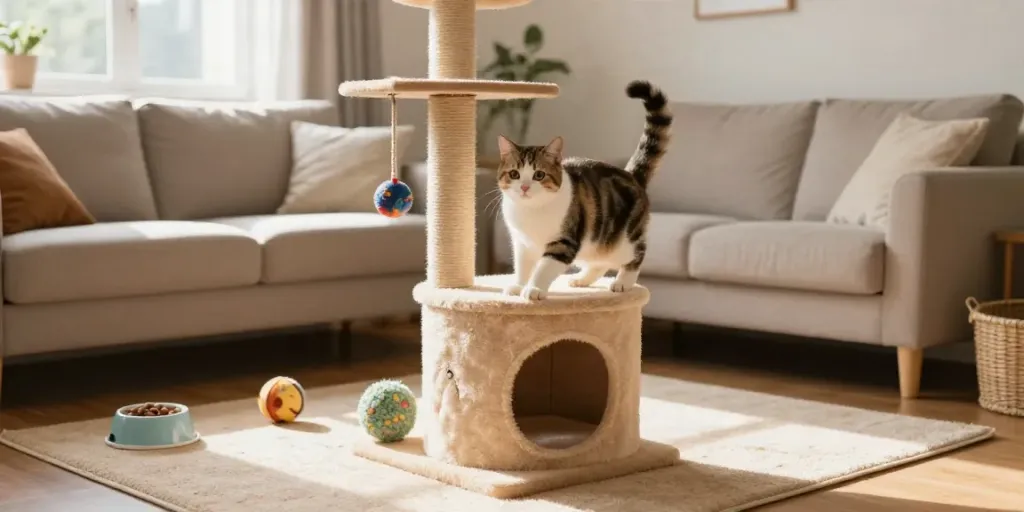
Understanding the Importance of Cat Trees
Cat trees are not just a luxury for our feline friends; they play a crucial role in meeting their physical and psychological needs. By providing a vertical landscape for cats to explore, these structures replicate the natural environments cats would engage with in the wild. As cat ownership continues to rise, understanding the importance of a cat tree becomes increasingly essential for maintaining a happy and healthy indoor cat.
Why Cat Trees Matter for Indoor Cats?
Indoor cats often lack the stimulation that their outdoor counterparts experience, making cat trees vital for their well-being. These structures offer essential spaces for climbing, scratching, and perching, which cater to their instinctual behaviors. For cats, being able to observe their surroundings from a height is not only enjoyable but can also provide a sense of security, allowing them to survey their territory from a safe vantage point.
Benefits of Multi-Level Structures for Play
Multi-level cat trees encourage active play, which is crucial for a cat's physical health. Cats are natural multitaskers; they love to jump, climb, and explore. A well-designed cat tree gives them the ability to move between different levels, providing mental stimulation and physical exercise that helps combat obesity and boredom. Furthermore, these structures can facilitate social interactions, especially in multi-cat households where play and competition can promote camaraderie or healthy rivalry.
Psychological and Physical Health Benefits
A cat tree helps reduce stress and anxiety in indoor cats by offering them a sanctuary where they can retreat when feeling overwhelmed. It also serves as an essential outlet for their natural instincts, such as scratching and climbing. Fostering these behaviors through designated spaces like cat trees can decrease destructive tendencies around the house, such as clawing at furniture or excessive meowing due to boredom.
Choosing the Right Cat Tree for Your Space
With a plethora of designs available, selecting the right cat tree can be daunting. However, by evaluating your space and your cat's needs, you can make an informed decision that benefits both you and your feline companion.
Factors to Consider: Size and Weight Capacity
The size of the cat tree should complement your living space without overwhelming it. Consider the dimensions of the structure and how it fits into your home layout. Additionally, be aware of the weight capacity; ensure that the cat tree can support your cat comfortably, especially if you have larger breeds.
Materials and Durability: What to Look For?
Durability is key when selecting a cat tree. Look for high-quality materials such as solid wood or reinforced MDF, which can withstand the wear and tear of playful cats. The fabrics used should also be pet-friendly and easy to clean. Sisal rope is a popular material for scratching posts, providing the ideal texture for cats to satisfy their scratching instincts.
Style Integration: Cat Tree That Matches Your Home
Today’s cat trees come in an array of styles that can harmonize with your home decor. From minimalist, modern designs to rustic, traditional models, there’s something for every aesthetic. Choosing a cat tree that complements your interior design not only enhances your living space but also ensures that it doesn’t become an eyesore.
Maintaining Your Cat Tree for Longevity
Once you’ve invested in a quality cat tree, proper maintenance will ensure it lasts for years to come. Regular upkeep is vital to avoid wear and keep your cat engaged.
Regular Cleaning Tips for Cat Trees
Regularly vacuuming your cat tree helps remove fur, dander, and dirt, creating a cleaner environment for both you and your pet. Many removable covers on cat trees can be machine washed, making maintenance even easier. Spot cleaning any stains promptly can prevent odors and prolong the lifespan of your cat tree.
How to Repair Common Wear and Tear
Over time, cat trees may show signs of wear, such as frayed fabric or loosened bolts. Address these issues quickly: replacing damaged scratching posts or tightening screws can help extend the life of the structure. Keeping an eye on these details ensures that your cat tree remains safe and functional.
Upgrading Accessories for Enhanced Fun
Consider upgrading your cat tree with additional accessories, such as dangling toys or extra perches. These enhancements can renew your cat's interest in the tree and provide fresh stimulation. Also, consider introducing scents or catnip to attract your cat back to its structure, encouraging it to engage with the tree regularly.
Exploring Innovative Cat Tree Designs in 2026
As technology and design evolve, so too do cat trees. Here, we explore some of the latest trends and innovations cat owners should look for.
Trendy Designs: Modern Minimalist vs. Rustic Charm
In recent years, cat trees have begun to blend with home decor more seamlessly. Modern minimalist designs often feature sleek lines and neutral colors, making them a stylish addition to any contemporary home. On the other hand, rustic designs that incorporate natural wood and earthy tones can add a warm touch to traditional spaces, catering to diverse aesthetic preferences.
Eco-Friendly Materials: Sustainable Options
With a growing emphasis on sustainability, many manufacturers are now offering cat trees made from eco-friendly materials. Bamboo and reclaimed wood are becoming popular choices, ensuring that your purchase is not only good for your cat but also for the environment. These sustainable options can provide peace of mind alongside quality.
Smart Features: Cat Trees with Built-in Technology
Innovation extends even to our furry friends' furniture with the introduction of smart cat trees. Some models now come equipped with built-in technology features, such as sensors that monitor your cat's activity or integrated cameras that allow you to check in on your pets while away from home. These advanced features cater to tech-savvy pet owners who want to stay connected to their pets.
Expert Tips for Training Cats to Use Cat Trees
Introducing your cat to its new tree can take a little time and patience. Here are some strategies to encourage your feline friend to make the most out of their new vertical playground.
Encouraging Usage: Effective Training Strategies
To attract your cat to the tree, place it near a favorite window or a commonly used area of the house. Use treats or toys to encourage your cat to explore the tree. Gradually introduce your cat to different levels, making the exploration a fun game that they want to play repeatedly.
Creating a Positive Experience: Reward Systems
Positive reinforcement is key when training your cat to use its tree. Reward your cat with treats or praise whenever it engages with the cat tree, whether it’s climbing, scratching, or simply resting. This not only builds a positive association with the tree but also reinforces good behavior.
Addressing Behavioral Issues: Common Challenges
Some cats may initially resist using their new cat tree. If your cat displays signs of anxiety or disinterest, take a step back and allow them to explore at their own pace. If applicable, consider introducing familiar scents or items from their previous environment to help ease the transition. Patience, love, and encouragement are key to overcoming these challenges.
Is it worth getting a cat tree?
For most cat owners, investing in a cat tree is a worthwhile endeavor. These structures not only enhance your cat's quality of life but can also help maintain the furniture in your home by redirecting scratching behavior.
What is the 3-3-3 rule for cats?
The 3-3-3 rule suggests that cats typically need three days to adjust to a new environment, three weeks to feel comfortable, and three months to fully settle in. This timeline is essential for understanding how long it may take for a cat to warm up to its new tree.
Are cat trees good for cats?
Absolutely! Cat trees provide a enriching space for play, exercise, and rest, contributing significantly to a cat's happiness and well-being.
How much is a Costco cat tree?
Prices for cat trees at Costco and other retailers can vary widely, typically ranging from $50 to over $300, depending on size, materials, and features.
What features should I look for in a cat tree?
When choosing a cat tree, look for features such as sturdy construction, height variety, scratching posts, and comfortable perches. Also, consider the aesthetics to ensure it blends well with your home decor.